A massive dust storm, or haboob, swept across the Sahara Desert from western Algeria into Mauritania, Morocco, Western Sahara and the Canary Islands on March 30. The dust stretched for more than 1,000 miles.
As meteorologists observed the dust storm from space via weather satellites, social media users captured the incoming dust storm on camera. One video shows a thick wall of dust and sand moving toward a resident of the town of Tindouf, near the Mauritanian, Western Saharan and Moroccan borders.
How does the dust affect tropical storms in the Atlantic?
While this storm didn't make it too far off the coast, significant amounts of dust can drift westward from Africa across the Atlantic beginning in May. This can inhibit tropical storm formation, or the strengthening of an existing system, because the dusty air has about 50% less moisture than the typical tropical atmosphere.
Strong winds in the dust layer can also substantially increase the vertical wind shear in and around the storm environment, potentially disrupting any storm that forms.
LATEST POSTS
- 1
 Watch SpaceX launch powerful ocean-mapping satellite for Europe and NASA early Nov. 17
 - 2Watching ‘Home Alone’ with the kids this holiday season? Brace yourself for '6-7.'
- 3VPN Administrations for Online Protection
- 4An eye for an eye: People agree about the values of body parts across cultures and eras
- 5ACA subsidies latest: Making sense of what's happening with health care after Republicans revolt, forcing a vote on funding extension


- Misremembering might actually be a sign your memory is working optimally
- Must-Have Cooking Machine in Your Kitchen
- Qantas and Virgin Australia Ban Power Bank Usage on Flights Following Safety Incidents
- Step by step instructions to Pick the Right Dental specialist for Your Teeth Substitution
- Instructions to Warmly greet Certainty and Appeal
- What to expect from the planets in 2026 — key dates and sky events
- Gym tied to outbreak of obscure disease that spreads through mist
- 5 VIPs That Changed Style
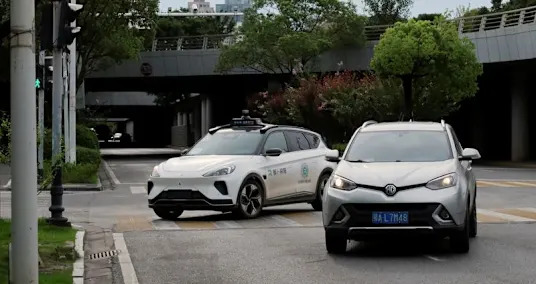
- Baidu robotaxi outage in Wuhan caused by 'system failure', police say